

Considering a change
When your integration platform no longer fits how you operate
Teams reach this point when simple changes take more effort, scaling adds complexity, and new use cases don’t fit cleanly.
This is the point where Tray belongs in the conversation.
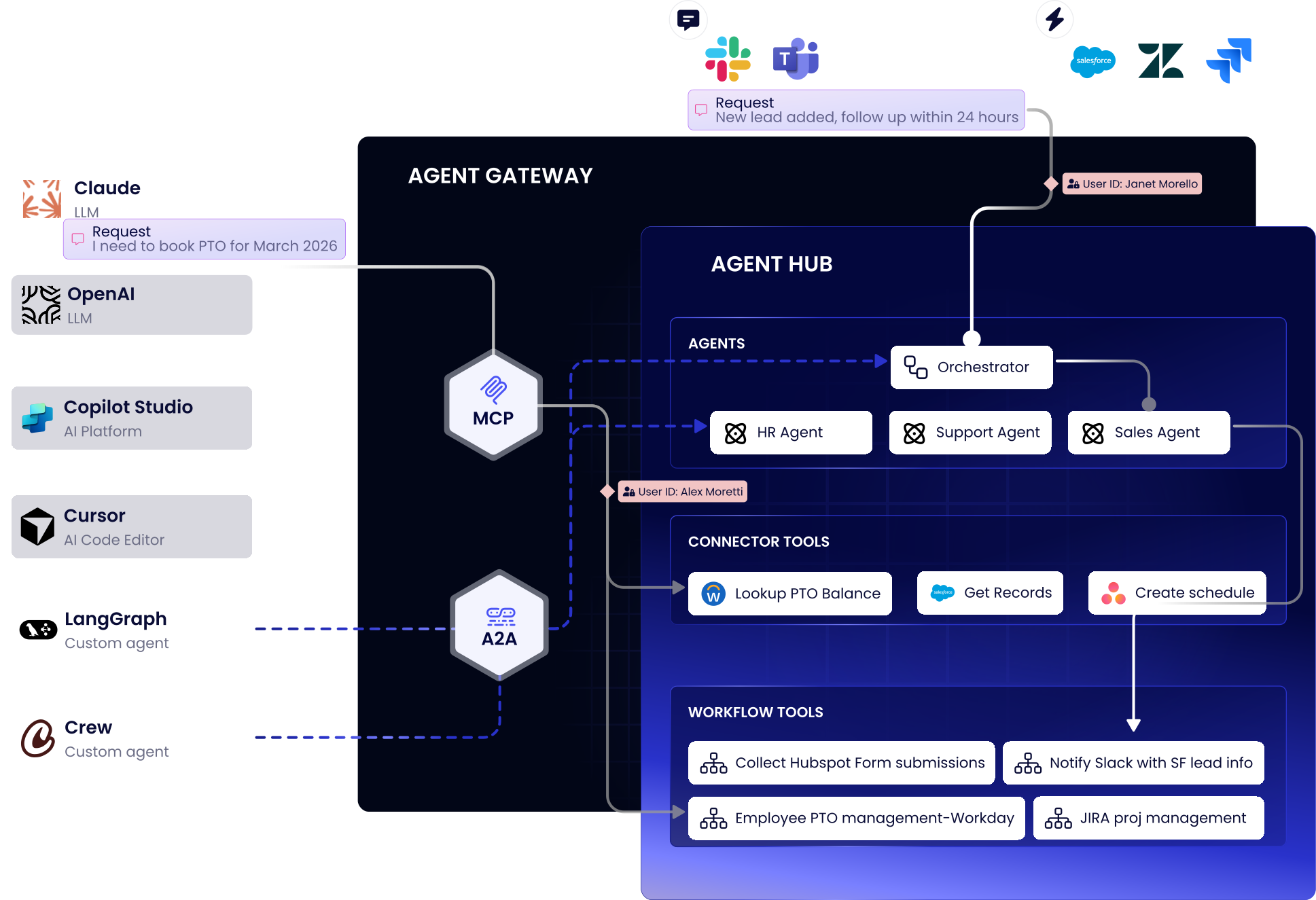
Why platforms stop fitting, and what teams look for instead
For many teams, this evaluation starts when platform complexity grows and the commercial model no longer matches how the system is used.
Where integration platforms start to break down
- Workflows become difficult to understand or modify safely
- Debugging problems take longer to track down than to fix
- Scaling introduces duplication, workarounds, or compounding complexity
- Agent use cases sit outside core workflows instead of inside them
- Pricing and usage no longer line up with how the platform is used
Why teams consider Tray
- Integration logic stays visible and centralized, not scattered across opaque recipes
- Exceptions and retries are visible and controllable
- Scaling extends the same orchestration, instead of duplicating flows
- Agents run inside the core integration layer, not bolted on as side projects
- Usage grows without constant commercial tradeoffs or rework
You don’t have to rip and replace
Teams typically introduce Tray alongside what they already run, starting with new workflows or the areas that are hardest to change today.
As teams extend workflows and introduce agents into production, they often find they can replace legacy automation sooner than expected, without a prolonged period of running two platforms.
Tray is used by large enterprises orchestrating automation and agent workflows and is recognized as a Visionary in the Gartner Magic Quadrant for iPaaS.

Considering a change?
If your current platform is becoming harder to manage, scale, or justify, it’s worth discussing your options.