










.DkNUKaKx_ZLAT4m.webp?dpl=dpl_8fHb8dTa9PdVcnErhDLR9S3NSYbM)









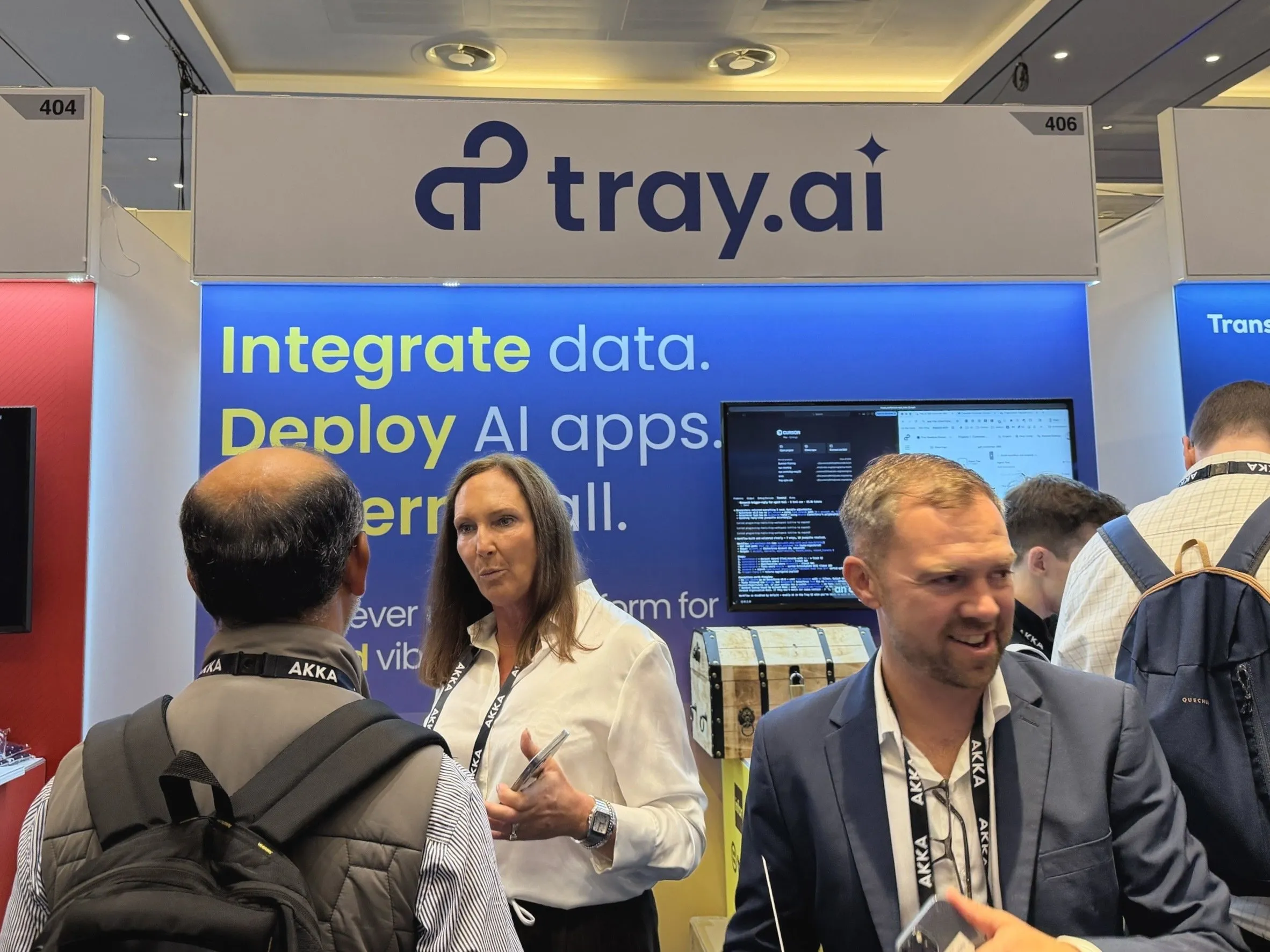
Gartner Application Innovation Summit EMEA puts two days between enterprise architects, integration leaders, and app dev heads. We spent both of them on the booth, mostly talking about vibe-coded apps, MCP governance, and what people are supposed to do with the software their colleagues are suddenly producing.
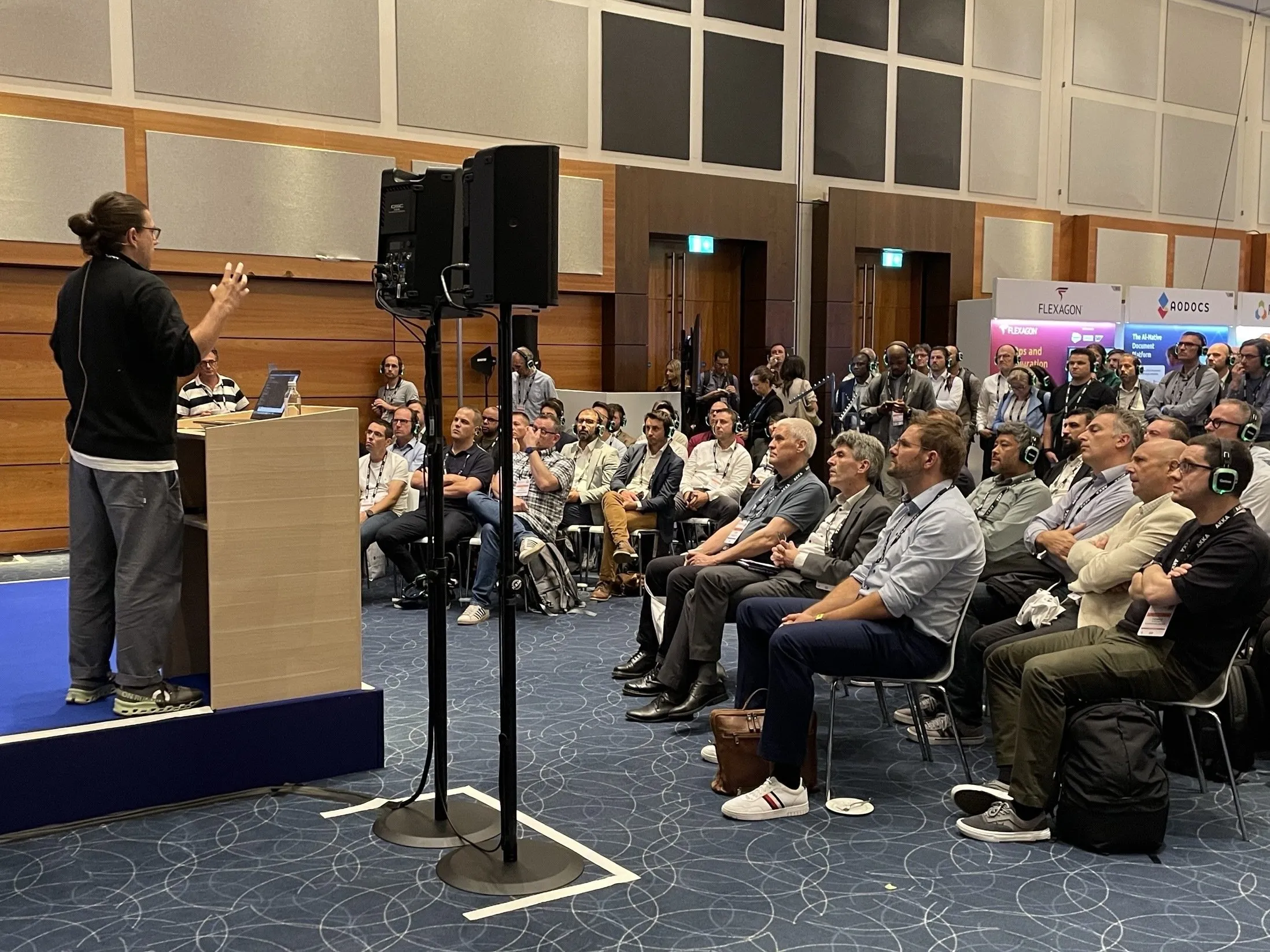
I also ran a session called “Vibe-Coded Apps Die On Laptops: Introducing A New Way to Deploy, Run, Govern.”
Here are five things that surprised us.
1. Nobody knows what to do with all the vibe-coded apps
It can feel like every organization hired a thousand junior developers overnight. Anyone with an idea and an AI coding assistant can now produce something that works, and a lot of them have.
Everyone who builds one believes it solves a real need, and they are often right. What nobody wants is to join a queue for the infrastructure work that stands between the prototype and a URL.
2. Everyone is proud of their app and nobody owns the road to production
Teams are shipping prototypes and asking IT to own the parts they cannot. That is a reasonable ask once. It is a different thing when it arrives from every corner of the business in the same quarter.
Ownership is also more specific than people expect. Who gets paged when it breaks. Whose identity it acts under when it reads from a system of record. Whose budget the tokens come from. Who decides if it keeps running after the builder moves teams.
3. All the sprawls are converging into The Sprawl™
Seems like everyone has their own sprawl these days. MCP sprawl, agent sprawl, app sprawl. Everything is converging into The Sprawl™.
No, it’s not Stephen King’s latest, but it may be scarier. The Sprawl is all the software running against your enterprise systems that nobody registered, nobody owns, and nobody can audit. Whether it started life as an MCP tool, an agent, or someone’s afternoon side project changes the entry point and nothing after it.
4. IT desperately wants to say yes
Subject matter experts who understand a problem better than anyone are now building solutions to it, and plenty of those apps would be genuinely useful if they ever went live.
Nobody we spoke to was looking for another approval gate. The frustration was with being the team that only says no, and with the way that reputation pushes builders to route around IT in the first place. The ask was small and specific: visibility into what is running, and enough control to stand behind it.
5. A lot of the fixes just trade one sprawl for another
Solving this with separate products means a governance tool, a secrets manager, a cost dashboard, and an app catalog, each with its own permission model. That is four things to buy and four things to keep in sync.
The preference we heard was for one place to deploy the apps, govern them, and see the spend, under a single access model.
Where this leaves us
Building software stopped being the constraint. Getting it into production is the constraint, and most AI-built apps never clear it.
Tray Helix is the governed runtime for those apps. One command takes an app from an AI coding assistant to production, with governance attached on the way out: SSO and identity on every app, scoped access, managed credentials so nobody touches a raw secret, an audit trail from the first request, a registry entry with a named owner, and per-app visibility into spend.
Tray Helix sits alongside Tray iPaaS on one shared foundation, under the Tray AI Orchestration Platform. Your teams keep building in the assistant they already use.
Thanks to everyone who came by. If any of these five sound familiar, we will happily show you what the governed path looks like in your environment.
Tray Helix
The governed runtime for AI-built apps
One command takes an app from an AI coding assistant to production — SSO and identity on every app, scoped access, managed credentials, an audit trail from the first request, and per-app visibility into spend.
Explore Tray Helix →